
Custom Home Selections: What, When, and How to Stay Sane
If there's one thing that surprises first-time custom home clients, it's this: the sheer number of decisions.
Tile. Lighting. Plumbing fixtures. Appliances. Cabinet hardware. Door hardware. Paint colors. Flooring. Countertops. The list goes on. And on. And on.
It can feel overwhelming—and honestly, it sometimes is. But it doesn't have to be paralyzing. With the right approach and the right team around you, selections can actually be one of the most enjoyable parts of building your home.
For a broader look at what happens before construction begins, check out our companion post, What to Expect During Pre-Construction.
Here's how we help clients navigate it.
Timing Is Everything
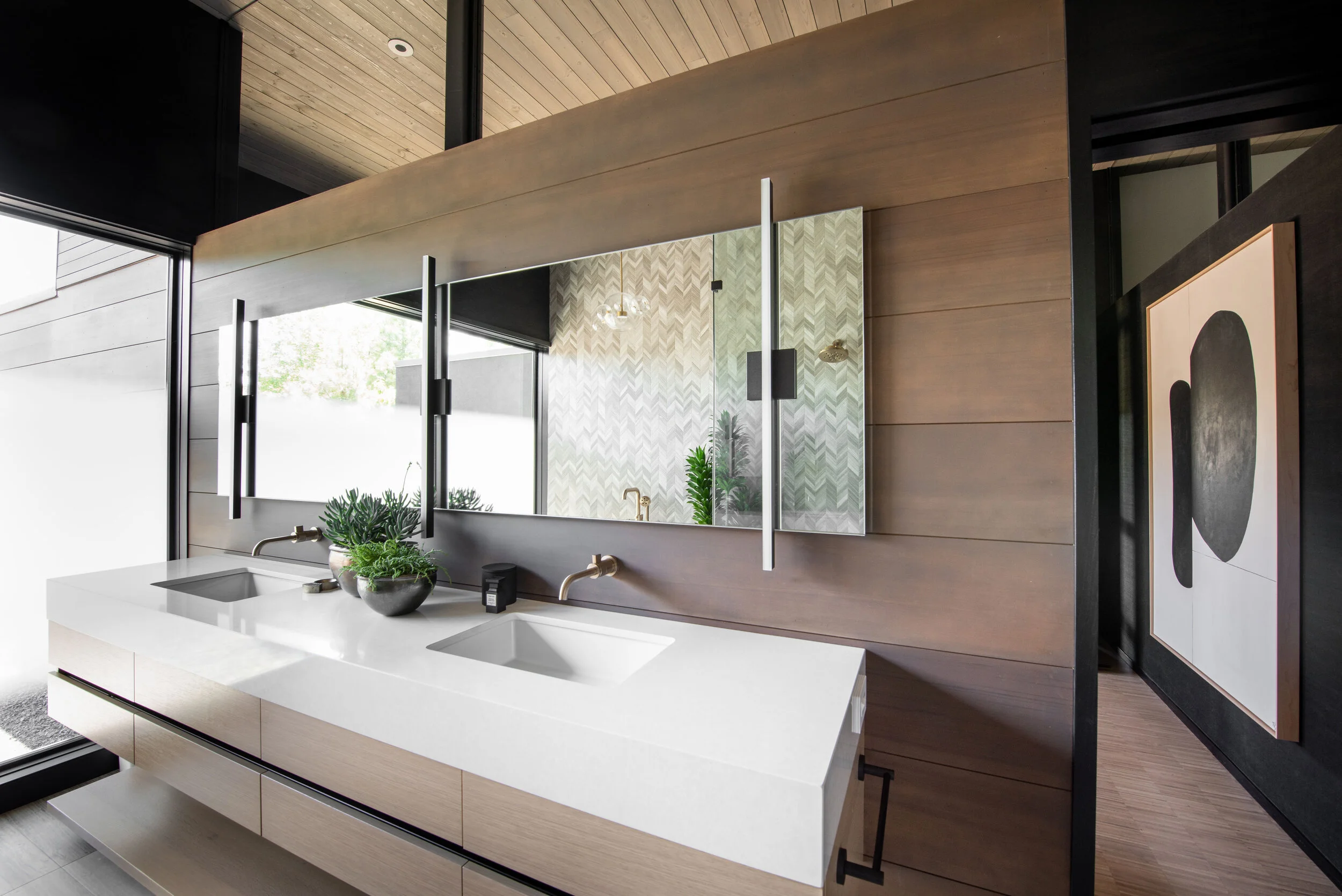
Not all selections are created equal. Some need to be made months before construction starts. Others can wait until the house is framed. Knowing the difference is key to staying sane. For a full breakdown of the construction timeline, see How Long Does It Take to Build a Custom Home?
Early Selections (Pre-Construction / Early Construction)
Lead times on these items can run 12 to 20 weeks or more, so decisions need to happen early:
Windows and exterior doors
Casework (kitchen, bath, built-ins)
Major appliances (built-in refrigerators and ranges in particular)
Plumbing fixtures (tubs, shower systems, specialty faucets)
Custom or specialty lighting (large chandeliers, statement fixtures)
Making those decisions on time keeps the project on schedule. We build a selections schedule that maps out exactly when each decision needs to be made—so you're never scrambling and the project never stalls.
Mid-Build Selections (Framing Through Drywall)
You've probably been circling these decisions since pre-construction—narrowing in on the look and feel of the home. This is when they need to be finalized, inside and out:
Exterior finishes (siding, stone, stucco, metal panels)
Tile (floor, wall, shower)
Countertops
Flooring (hardwood, tile, carpet)
Paint colors—main wall colors and sheens need to be decided before drywall wraps up; accent colors and wood finishes can come later
Standard lighting fixtures
Interior doors and trim profiles
Later Selections (Finishes Phase)
These can often be decided closer to installation:
Accent paint colors and wood finishes
Cabinet and door hardware
Mirrors
Window treatments
Bath accessories and finishing touches
That said, "later" doesn't mean "last minute." Even items with short lead times need to be ordered in time for the installation sequence. Your project team will keep you on track.
The Role of Your Interior Designer
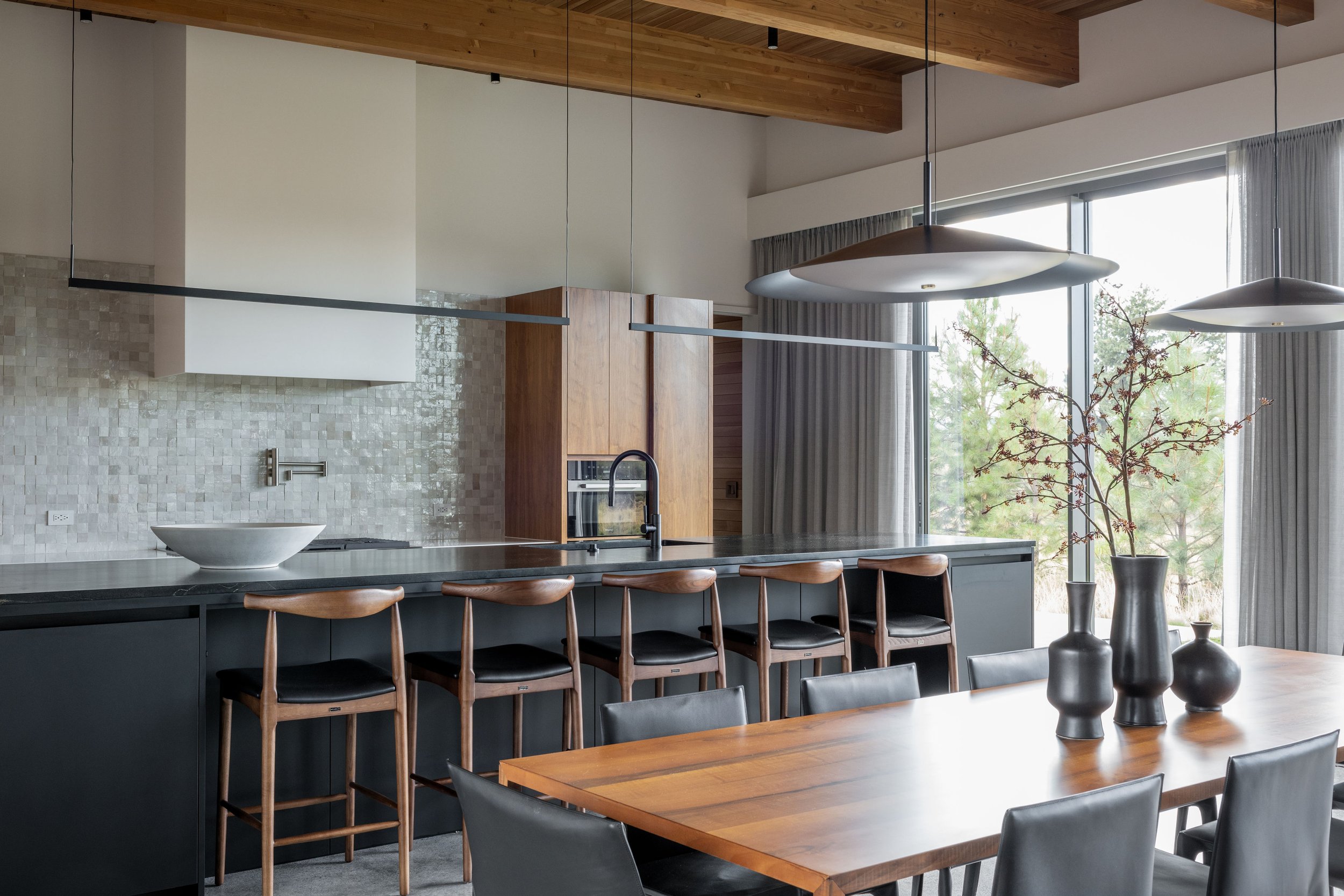
Interior designers are a crucial part of the design/build team. They put together the finish schedule, guide selections, and help bring your vision together. A good designer doesn't just pick pretty things—they think about how materials work together, how light affects color, and how your selections will hold up to real life.
We love working alongside designers. They handle the aesthetic vision while we bring the construction knowledge: lead times, install details, how something will actually work in the field. It's a collaborative relationship that makes the final product better.
If you don't have a designer, we can help you find one. The investment is almost always worth it—especially for clients who feel overwhelmed by the number of decisions or who want a cohesive design vision.
Decision Fatigue Is Real
Let's be honest: at some point, you will get tired of making decisions. It happens to everyone. You'll stand in a tile showroom staring at 47 shades of gray and wonder why you ever thought building a custom home was a good idea.
This is normal. Start with the big stuff—flooring, countertops, casework—and let the smaller decisions flow from there. If you have a designer, lean on them. That's what they're there for. Not every decision needs to be perfect; some things just need to work. Give yourself permission to take it one step at a time. Some decisions will be fun and exciting—enjoy those. And when it gets heavy, remember why you're doing this—you're building a home that's made for you. That's worth a little decision fatigue.
Selections and Budget
Here's something important to understand: your selections directly impact your budget.
During budgeting, we include allowances for items that haven't been selected yet. An allowance is our best estimate of what a reasonable selection will cost. If you select something that costs more than the allowance, the budget goes up. If you select something less expensive, it goes down.
This is one reason we use cost-plus pricing: you see exactly what everything costs, and you control the final outcome. There's no mystery markup hiding the true cost of your choices. For more on how custom home budgets work, check out our 2026 Custom Home Cost Guide.
We track allowances throughout the project and give you regular updates on where you stand. If you're trending over budget, we'll flag it early so you can make informed decisions about where to splurge and where to save.
How We Keep It All Organized
With hundreds of selections across a typical project, organization is everything. We use Basecamp to track every decision:
A master selections schedule showing what's due when
Clear deadlines for each category
A record of every selection made, with photos and specs
Running notes on allowances vs. actual costs
Your project team reviews this regularly and will reach out when deadlines are approaching. No one likes surprises—especially the kind that delay your project.
A Few Pieces of Advice
Start a folder—digital or physical—early. Save inspiration images, product links, and notes from showroom visits. You'll thank yourself later. See materials in person when you can; screens lie, and that tile that looks perfect online might read completely different in your space. Consider maintenance too—that beautiful white marble is gorgeous, but do you want to seal it every year? Think about how you actually live. And don't chase trends too hard. Timeless choices tend to age better than whatever's hot on Instagram this year. If you ever want to know how something holds up in real life, ask us—we've seen a lot of materials in a lot of homes and we're happy to share what we've learned.
The Bottom Line
Selections are a big part of building a custom home. But with the right team, the right timeline, and the right mindset, it can be one of the most rewarding parts of the process. You're not just picking finishes—you're shaping the home you'll live in for years to come.
Copperline Homes has been building custom homes in Bend and Central Oregon since 2004. We specialize in high-end custom homes built on relationships, intention, diligence, and innovation.