
What Does It Cost to Build a Custom Home in Bend in 2026?
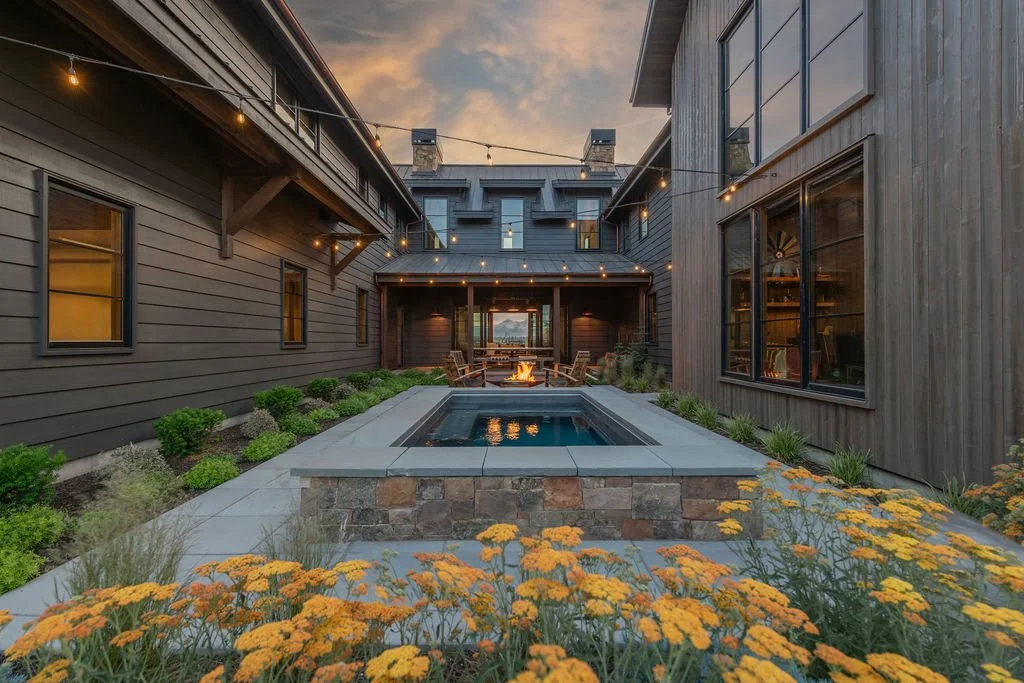
It’s the first question we hear—and for good reason. You’re trying to figure out if building a custom home makes sense, and what it actually takes to make it happen.
Here’s the short answer: In 2026, custom homes in Bend typically range widely—anywhere from $500 to $1,200+ per square foot—depending on size, site complexity, and level of finish.
At Copperline Homes, our projects typically land in the $900–$1,100+ range. We specialize in high-performance, architecturally driven homes, but we take on projects across the spectrum when they’re a good fit for our team and process.
That is a wide spread, so let’s walk through what actually shapes that number.
Custom vs. Spec: Different Animals
First, an important distinction. When you see "new construction" in Bend listed at $400/sf, you're usually looking at a spec home—a house built by a developer on their lot, with their plans and their finishes. It's new, but it's not a custom home.
Custom means you're building your home on your land, with a design shaped around how you actually live. Every decision is made once, for you—not repeated across dozens of units. That's a fundamentally different process—and it's the only kind of ground-up building we do.
So when we talk about cost here, we're talking about genuine custom construction. The kind of home that's shaped around your site, your priorities, and how you actually live.
What Shapes the Investment?
A few key drivers move projects toward the higher end of the range:
Site Conditions: A flat lot with utilities at the street is the straightforward version. A sloped lot with sweeping Cascade views, rock outcroppings, or interesting terrain? That takes more engineering and site work, but often results in a more compelling home. Some of our favorite projects have been on sites that initially seemed challenging—the constraints pushed the design in unexpected directions.
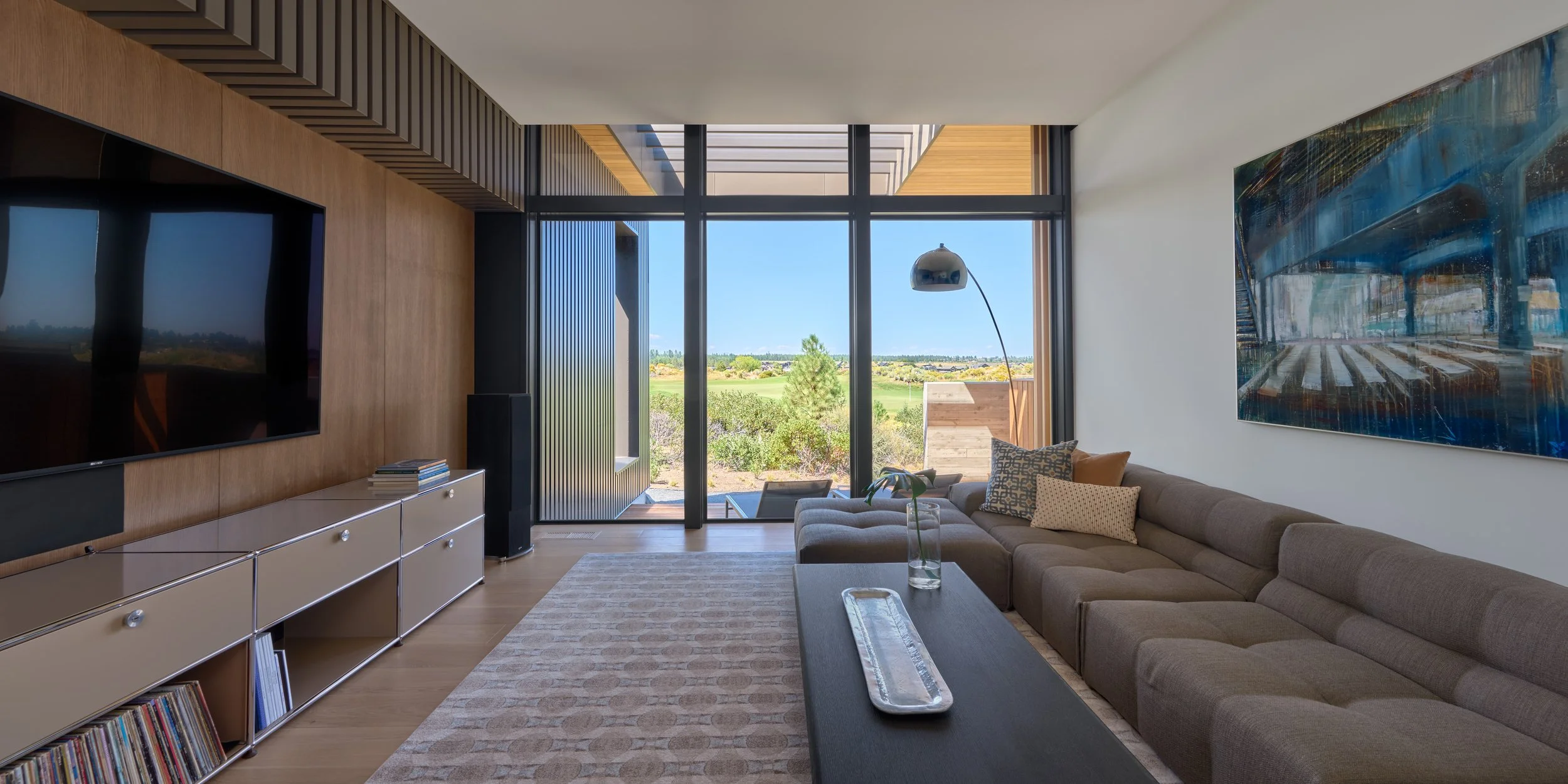
Design Complexity: Simple rooflines and efficient footprints can be beautiful. But if your vision calls for dramatic cantilevered overhangs, massive walls of glass, and bold structural moves, the engineering costs will reflect that.
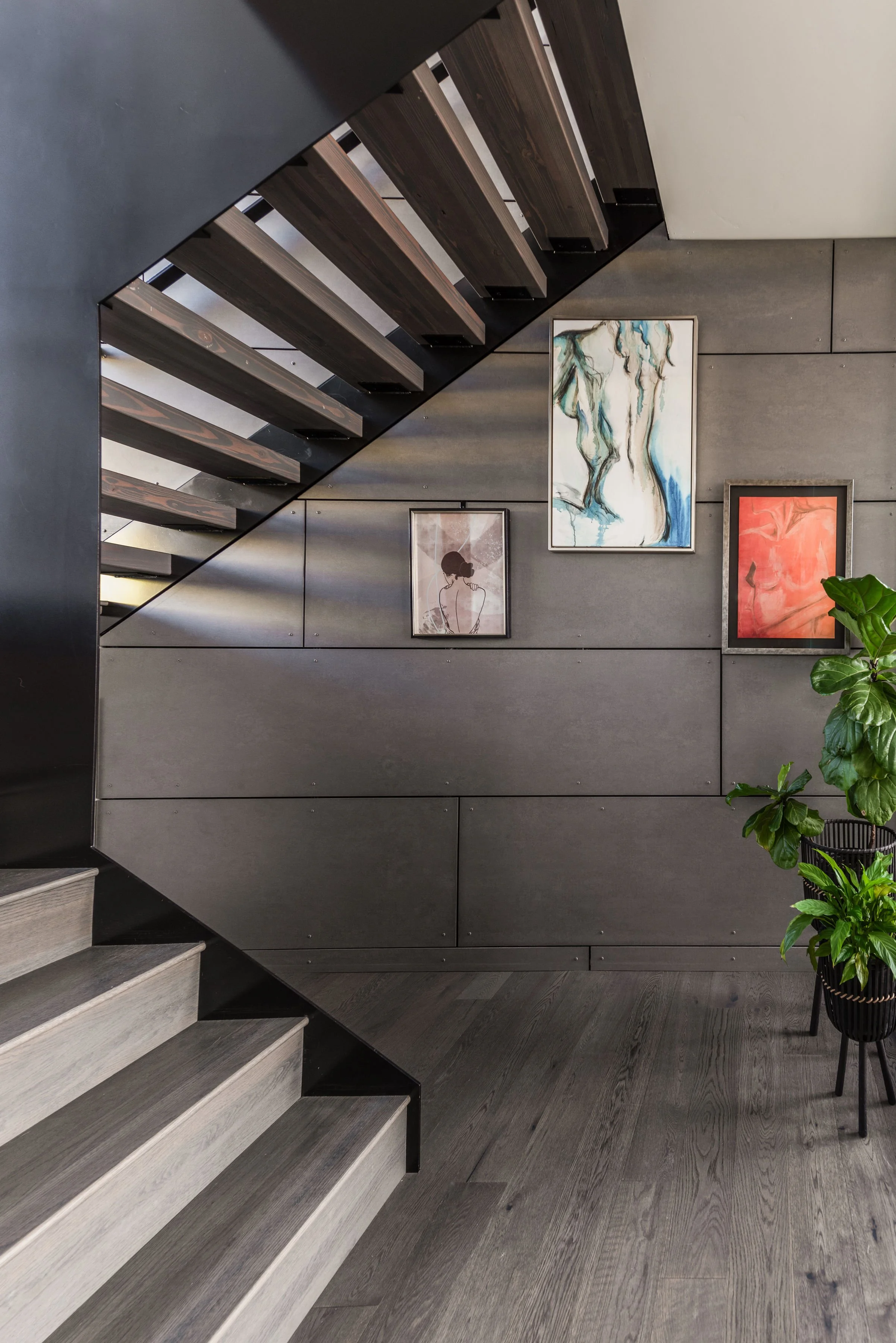
Materials: Vertical grain fir ceilings, board-formed concrete, shou sugi ban siding, custom steel work—these are the details that make a home feel truly crafted. The gap between "standard" and "exceptional" is real.
Systems: In-floor radiant heat, high-performance envelopes, and whole-home automation. These are often invisible to guests but make a huge difference in how the home lives day to day—comfortable, efficient, and built to last.
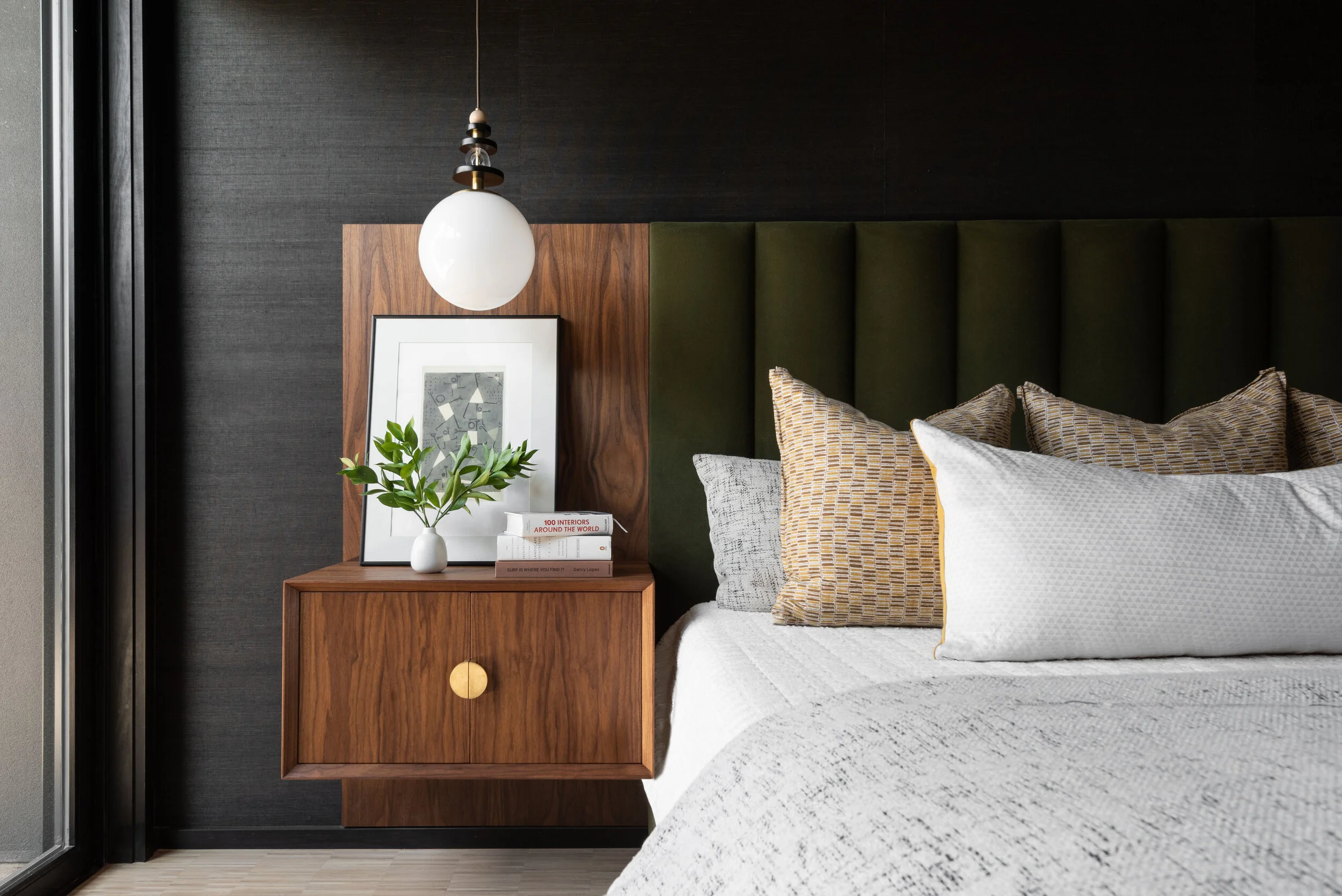
Finishes: The kitchen and primary bath are usually where finish budgets expand—and where you’ll feel the difference every morning (think handmade tile, specialty lighting, and custom white oak cabinetry).
Smart Ways to Build Well
Building custom doesn’t mean spending without intention. Here is where thoughtful planning pays off:
Structural vs. Visual Simplicity: A simple footprint and roof design can help reduce costs, but a minimal aesthetic often increases it. Achieving details often found in modern homes, like flush baseboards and trim-less jambs, typically requires a higher level of labor and exactitude than traditional styles. We guide you on how to balance structural efficiency with the finish detailing you'll love.
Strategic Splurges: Spend more on the things you touch and see every day—kitchen hardware, flooring, main living areas—and let secondary spaces be simpler.
Work With Your Site: The best designs embrace the slope, the views, and the light rather than fighting them. A home that responds to its land just feels right.
Make Decisions Early: The more you lock in during the design phase, the smoother construction goes. We help you work through the big choices before we ever break ground.
Building in Central Oregon: The Local Reality
This place has some unique characteristics worth understanding:
Skilled Trades: Bend has excellent craftspeople, and we’ve built strong relationships with the best of them over two decades. Quality labor is an investment, but it’s non-negotiable for a home built to last.
Wildfire Resilience: Building here increasingly means meeting smart wildfire mitigation standards—ignition-resistant materials, defensible space, and fire-rated assemblies. We support these requirements; they result in homes that are safer and more durable.
Permitting: Depending on your site and jurisdiction, permitting can take several months. We build that into the schedule from the start so there are no surprises.
Why We Build Cost-Plus
We build on a cost-plus basis: you pay the actual cost of construction plus a fixed percentage for our fee. Every invoice, every receipt, every hour is documented and transparent.
Some builders may prefer fixed-price contracts, but on a true custom home where the design is unique, that approach requires building in significant contingency. You pay for that buffer whether you need it or not.
With cost-plus, you pay for what your home actually costs. If we find efficiencies, you benefit. If you make changes, you see exactly what they cost. It's a model built on trust and partnership—and it's how we've worked for over 20 years.
The “All-In” Picture
When people quote $/sf, they are typically dividing the construction cost by the conditioned (heated) square footage of the home.
However, that construction cost covers everything we build—garages, covered patios, outdoor living spaces, landscaping, and driveways. So, a 3,000 sf home with a three-car garage and extensive outdoor living areas will show a higher $/sf than the same house with a basic two-car garage.
Beyond construction, remember to budget for:
Land: Lot prices in Bend vary widely, from $200k to over $1M.
Design + Architecture: Fees typically run 8–15% of construction costs. A good architect is worth every penny.
Permits + Fees: System development charges (SDCs) and permit fees often total $30,000–$75,000 depending on the jurisdiction.
Furnishing: Not construction, but definitely part of making it "home."
How to Get a Real Number
We can talk in general numbers, but the only way to understand what your project will cost is to dig into the specifics: your site, your goals, your priorities.
If you're starting to think about building, we'd love to have a conversation. We'll help you understand what's realistic for your budget and goals—and map out a path to get there.
Copperline Homes has been building custom homes in Bend and Central Oregon since 2004. We specialize in high-end custom homes built on relationships, intention, diligence, and innovation.