
What to Expect During Pre-Construction
You've decided to build a custom home. The land is secured, you've chosen your builder, and now you're ready to break ground.
Not so fast.
Before a single shovel hits dirt, there's a critical phase that often surprises first-time custom home clients: pre-construction. This period—typically 6 to 12 months—is where your home takes shape on paper, your budget gets dialed in, and countless decisions are made that will affect every day of the build.
At Copperline, we've found that the more you understand what's coming, the more you'll enjoy the process. Here's what to expect.
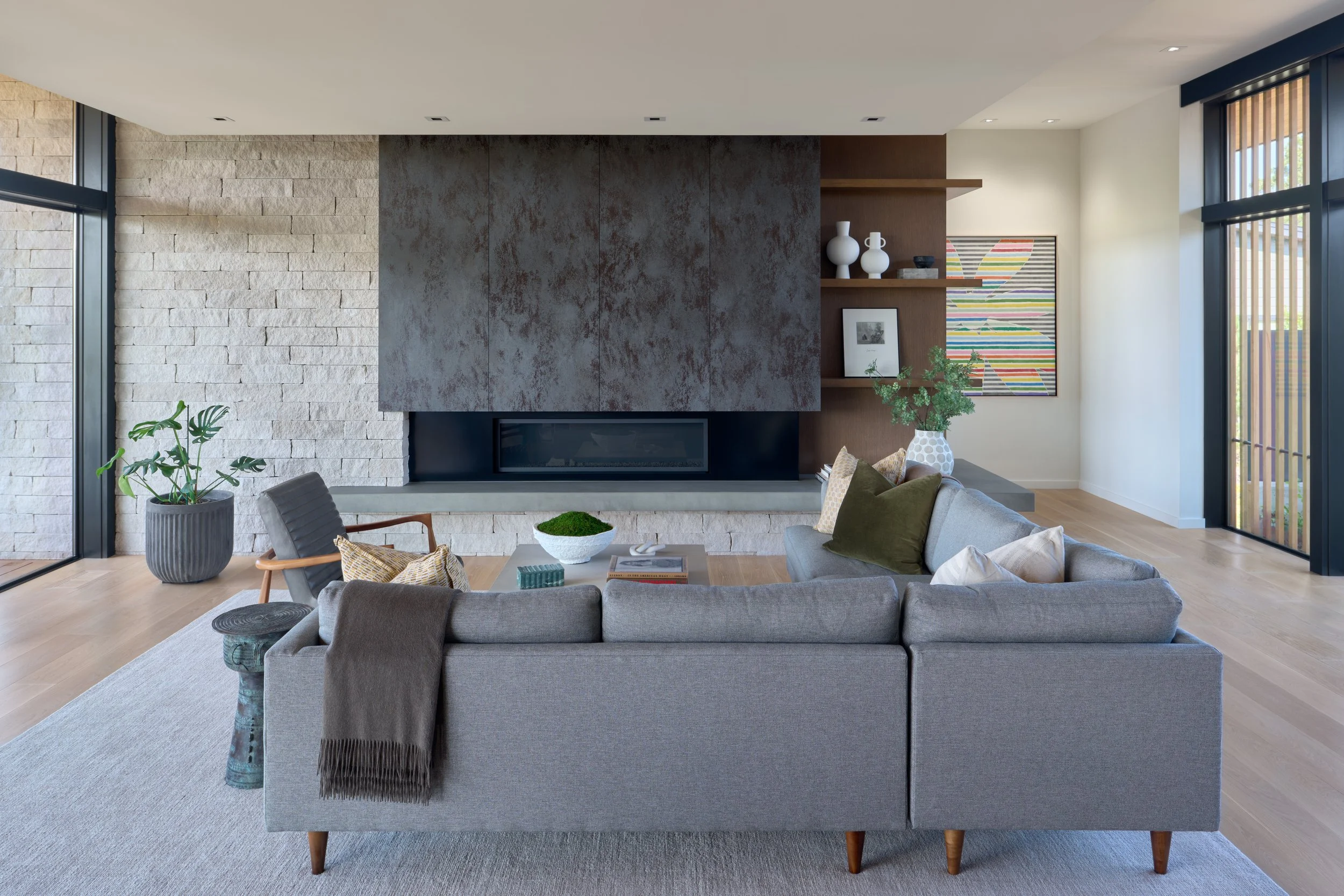
Design Collaboration
If you're coming to us with completed plans from your architect, we'll review them for constructability—looking for anything that might create challenges or budget surprises down the road. We'll flag potential issues early so they can be addressed in design rather than discovered during framing.
If you're still in design, we often join the conversation earlier, collaborating with your architect to keep the vision aligned with your budget. This back-and-forth saves headaches. A great design that's $400,000 over budget isn't a great design—it's a heartbreak waiting to happen. We can provide preliminary budgeting during the design phase to help keep your project aligned with your target budget before plans are finalized. We'd rather help you make informed decisions while changes are easy to make.
This phase is also where we get to know each other. We'll talk through how you want to live in the home, what matters most to you, and what trade-offs you're willing to make. Those conversations shape everything that follows.
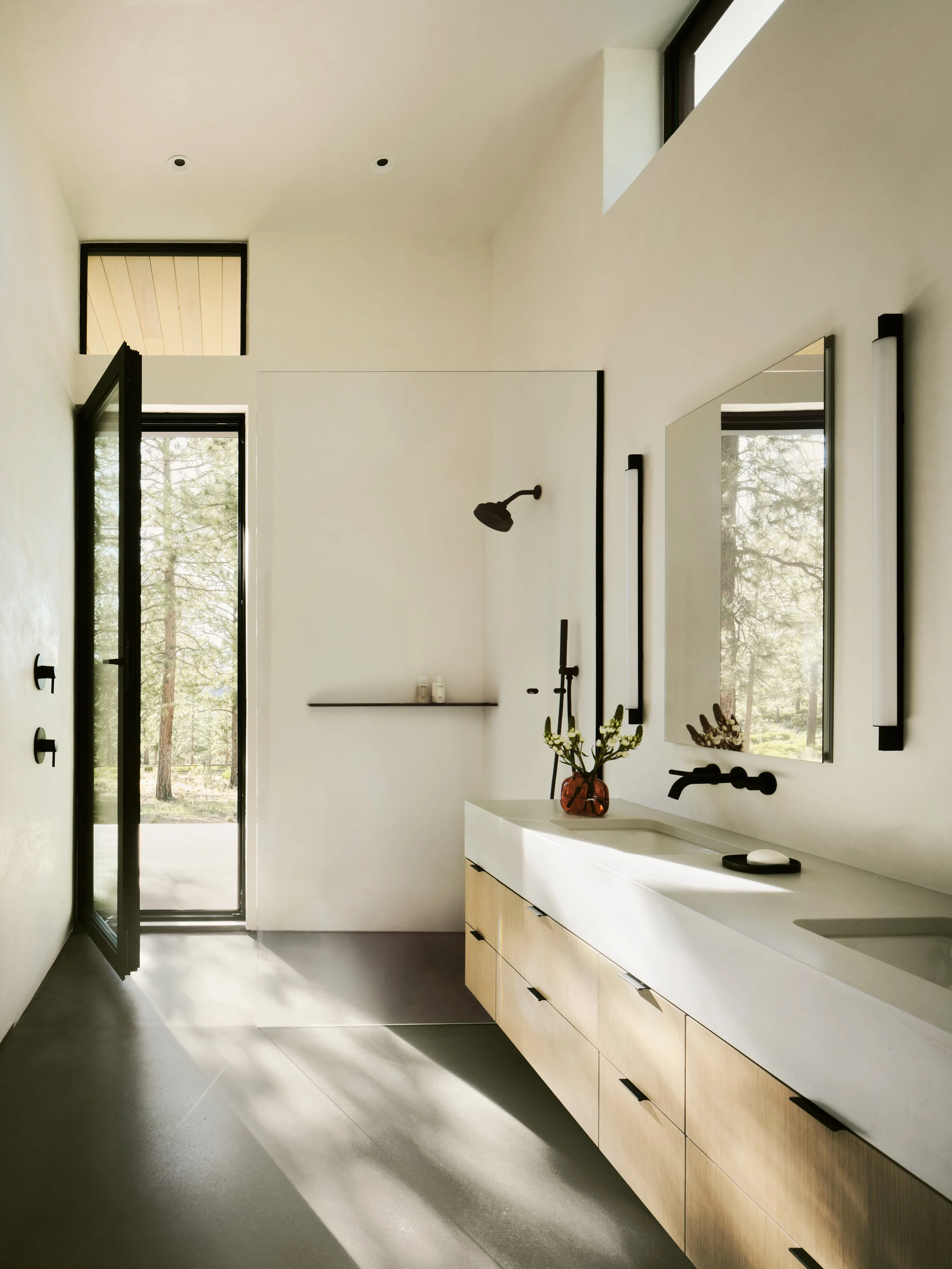
Budgeting and Bidding
Once the design is far enough along, we develop detailed estimates. This isn't a ballpark number—it's a line-by-line breakdown of what your home will cost to build.
We gather subcontractor pricing, account for site-specific conditions, and build in appropriate allowances for items that haven't been selected yet. Our cost-plus model means you see exactly where every dollar goes—there's no mystery markup or hidden margin.
Expect honest conversations about scope and budget. If the numbers don't align, we work through it together. Sometimes that means value engineering—finding ways to achieve the same design intent for less. Sometimes it means adjusting expectations. Either way, we'd rather have that conversation now than six months into construction.
If you're financing the build, this is also when your construction loan gets finalized and we establish the draw schedule with your lender.
For more on what custom homes cost in Central Oregon, check out our 2026 Custom Home Cost Guide.
Selections Begin Early
Here's something that catches many clients off guard: selections start during pre-construction, not after.
Certain items have long lead times—custom cabinetry, windows, exterior doors, some appliances. Making those decisions on time keeps the project on schedule. We build a selections schedule that maps out what needs to be decided when, so you're never scrambling and the project never stalls.
We'll guide you through this process, working alongside your interior designer if you have one—letting you know what's urgent, what can wait, and what decisions will affect other decisions down the line.
We cover selections in more detail in our companion post, Custom Home Selections: What, When, and How to Stay Sane.
Permitting
Permits are a fact of life in custom building. In the City of Bend or Deschutes County, plan review typically takes 4 to 12 weeks depending on the jurisdiction, time of year, and complexity of the project.
We handle the permit submission and tracking, but the timeline is largely out of our hands. This is one reason we encourage clients not to set hard move-in dates too early—there are variables in the process that no one can fully control.
Some projects also require additional approvals: HOA architectural review, septic permits, well permits, fire department sign-off. We'll map out exactly what's needed for your site early in the process so nothing catches us by surprise.
How We Stay Connected: Basecamp
During pre-construction, we'll set you up on Basecamp—the project management platform we use to keep everyone on the same page.
Basecamp is where you'll find your selections schedule, budget updates, meeting notes, and a running record of every decision made on your project. Instead of hunting through email threads or wondering if something got lost, everything lives in one place.
You'll also meet your management team during this phase—from principal to Project Manager. Your PM will be on-site daily, tracking progress, coordinating trades, and keeping you informed—but the full team stays hands-on throughout the build. The relationships you build during pre-construction set the tone for the entire project.
Why Pre-Construction Matters
It's tempting to rush this phase. You're excited to see progress. You want to "get started."
But here's the truth: pre-construction is where you build the foundation for a successful project—not the concrete kind, but the kind that keeps everything running smoothly for the next 16 to 22 months.
The more resolved the design, the fewer change orders during construction. The more thorough the budget, the fewer surprises. The more decisions made upfront, the fewer delays waiting on materials or answers.
We've been doing this since 2004, and we can tell you: the projects that go smoothest are the ones where pre-construction was taken seriously. It's not the glamorous part of building a home, but it's some of the most important work we do together.
Ready to Start the Conversation?
If you're thinking about building a custom home in Bend or Central Oregon, we'd love to hear about your project. The earlier we connect, the more we can help.
Copperline Homes has been building custom homes in Bend and Central Oregon since 2004. We specialize in high-end custom homes built on relationships, intention, diligence, and innovation.